



WOODBURY – If you ask a high school student about their plans after graduation, a lot of them will respond with college, as it seems to be the only choice available. For many years, students have been led to believe
that obtaining a four-year degree is the optimal route to success. However, this mindset overlooks students who excel in hands-on settings or who are seeking different routes to fulfilling careers.
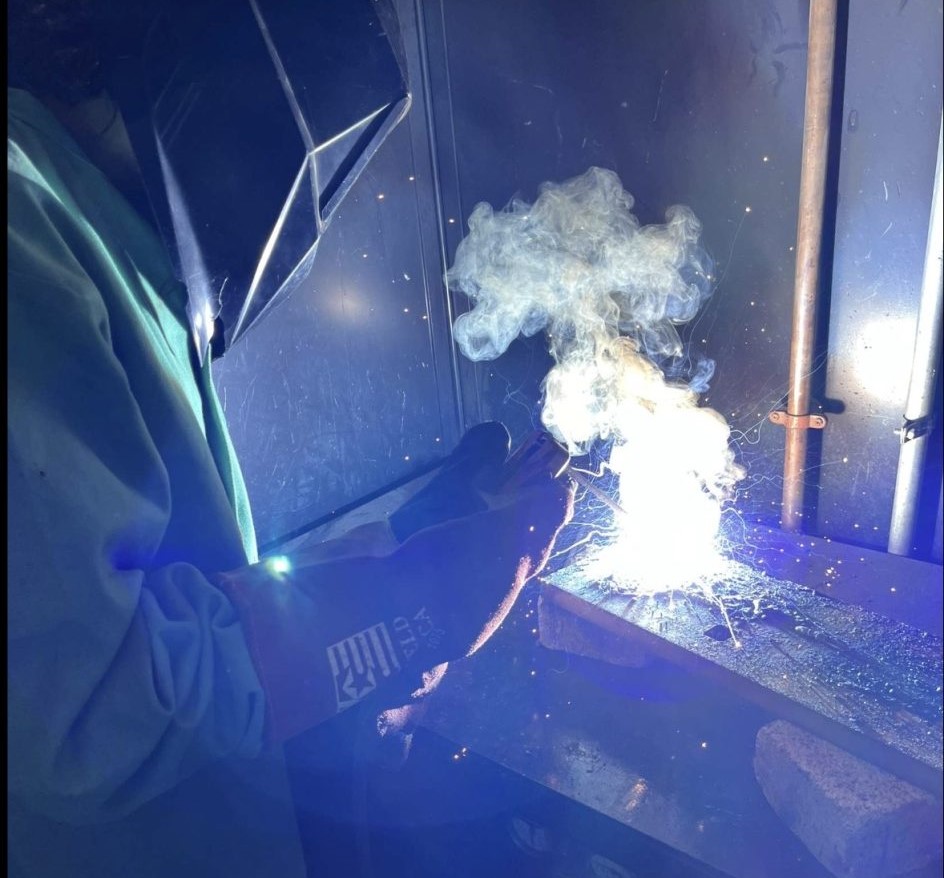
Numerous students thrive when given the opportunity to engage in hands-on work. Programs in skilled trades provide them with this chance. Skilled trades present a clear route to stable, well-paying jobs in areas such as construction, metal fabrication, and commercial electrical work. These sectors are essential to the economy, yet many high schools fail to introduce students to these possibilities.
Principal Mykal Kuslis understands the value that these trades, and the skills associated with them, have on the future of students.
“Teaching a trade would greatly benefit children from multiple angles,” Kuslis said. “Even if someone learns a trade but doesn’t ultimately pursue it, it can still make them more skilled at handling various tasks, potentially saving lots of money with those abilities.”
Trades not only convey practical skills but also help critical thinking—a skill set key across multiple career paths.

The most recent U.S. labor data overwhelmingly supports this viewpoint. In 2023, enrollment in vocational-focused colleges increased by 16%, reflecting a growing recognition of the value in trade skills. Moreover, a recent report from the U.S. Bureau of Labor Statistics highlights that many trade professions offer competitive salaries, often without the burden of student debt associated with four-year degrees.
“We need tradespeople just as much as we need university educators,” Kuslis continues. ¨With a national shortage of skilled workers, introducing trades into high school curricula provides students with diverse options and better prepares them for the workforce. For those who struggle in traditional academic settings, trades can offer a path where they thrive.¨
Kathy Green, NHS’ College-Career Coordinator, sees the benefits of this alternate route for students.
“I feel that gaining a skill can be beneficial for every student,” Green says, “as it is useful for both personal and employment opportunities.”
Green emphasizes that while not all students may find interest in specific trades, these skills can offer practical benefits long after graduation.
As the discussion continues around educational pathways, it’s clear that adding vocational training within high schools can unlock a door of opportunities for all students. By reinforcing the importance of skilled trades, educators can teach students that have the valuable skills that can help them be successful . This change not only addresses the different capabilities and interests of students but also meets the demand for skilled workers in important industries. As kids search for their future careers and all the possibilities, the ultimate goal is to prepare all students for successful futures.


