


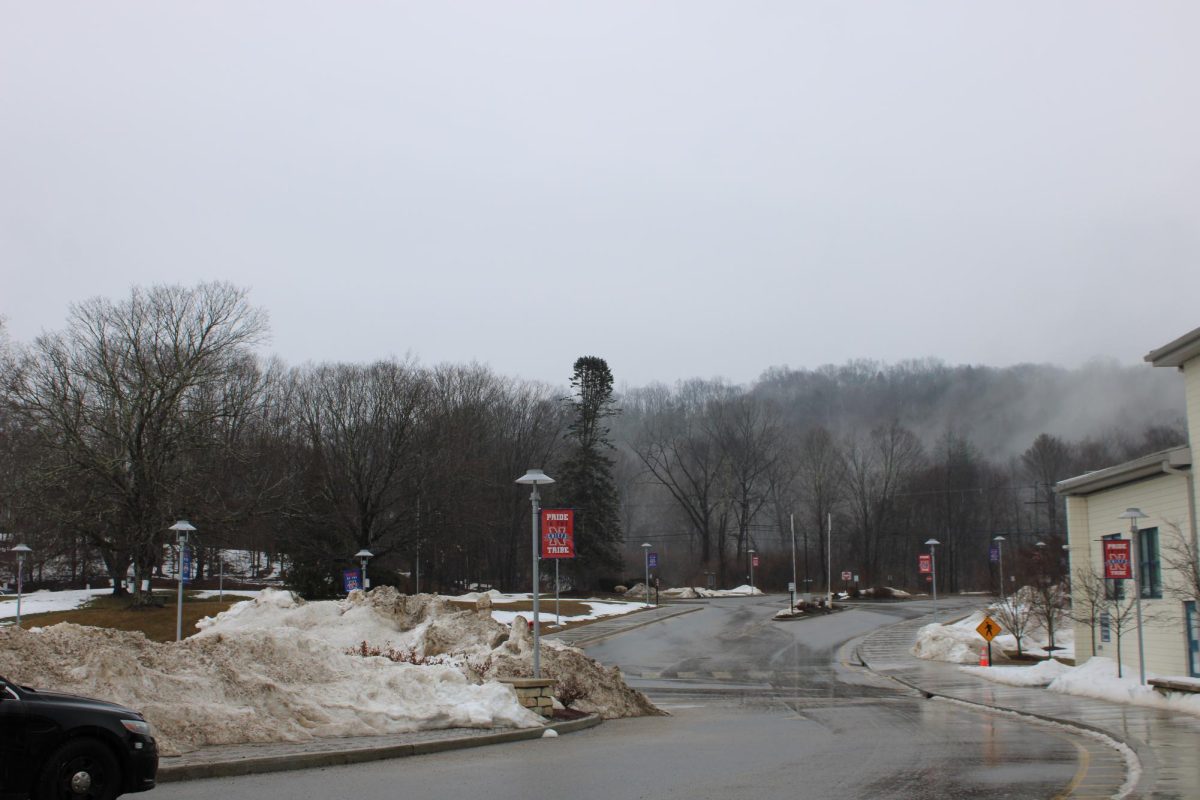

WOODBURY- With winter on its last legs, a common refrain from the previous 3.5 months has been seemingly unending: Ugh, it’s cold.
This is just one of the many negative thoughts going through my head each morning as I struggle to get out of bed this past winter. These feelings are accentuated with the lost hour to daylight savings.
Once the first crisp November breeze hits, leaves begin to fall off trees, days grow shorter and the world becomes barren and dark. When winter arrives, many things change, not only outside but also on the inside for many people.
Seasonal Affective Disorder (also known as SAD), is a common type of depression that people get during the winter. In fact, it’s so common that according to Mental Health America approximately 5% of the US population has it.
If it’s so common, what causes it exactly?
Sharon Gomes, social worker at NHS talks about some of the aspects that can cause SAD.
“I do think the lack of sunlight and daylight can definitely affect people’s mood,” Gomes said. “I think it’s easier to go home and take a nap when you can’t go outside and do anything.”
The winter most definitely makes it harder to go outside from day to day. With it being freezing cold and many times dreary looking, the appeal to motivation just isn’t there.
Getting outside less means you get less Vitamin D (from the sun) which is important for people. Vitamin D helps with brain function and mood regulation and when you have low levels people can become tired, unmotivated and unfocused. These can lead to higher anxiety and depression.
Joshua Kornblut, science teacher at Nonnewaug explains some other struggles that contribute to SAD.
“I think also on top of it being cold, it being half way through the year students can start feeling academic fatigue and stress,” Kornblut says. “That along with colder weather, shorter days, spending less time outside and being less active, can play a large role in overall student mood and depression.”
As we near the end of the third quarter, we are just entering spring. This means work and tests piling up on students, not to mention it being SAT time. This can cause a lot of stress and extra pressure on students.
Freshman Jayda Gladding understands this struggle.
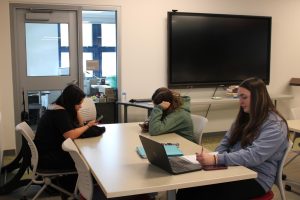
“This time of year is always a hard time for students,” Gladding says. “I see lots of people struggling more in the winter and early spring. There’s lots of tests and hard work loaded on students especially around this time. I feel like it’s harder to keep up, and the weather outside doesn’t make it any better.”
Sickness, overloading schoolwork and being overtired, are just a few, not to mention the stressful social aspect school can have on you. With all these things it can be impossible to feel uplifted and cheery.
With this combination of things, SAD can make things like school extremely hard for many students.
So if these are the causes, what are the effects?
“It can make it more difficult for students to pay attention and engage in lessons, to engage with peers, engage in actual learning. And if your mind isn’t in a healthy place then it just makes everything a lot harder and going through your day a lot more challenging,” Kornblut says. “It’s very difficult to focus on work or school or the responsibilities you have when you aren’t in a good headspace and your mental clarity isn’t what it needs to be.”
SAD makes things harder for people in their daily lives. It can make it harder to sleep, concentrate during the day, and cause you to feel tired and down. It causes you to lose enjoyment in things you normally love.
Freshman Olympia Persico understands the struggles that this brings on you.
“When it’s gross and dreary outside, it affects you a lot because it really begins down your mood. It’s also easier to get sick now and sickness affects the way I’m thinking,” Persico said. “During this time of year, it tends to make me feel tired all the time, which causes my brain not to be there 100%.”
With all this going on in your day to day life, things can go downhill quickly. So what are some ways students can help themselves get through it?
“I think there are many students who aren’t as active in colder weather. I think especially now, in a time where technology sort of rules,” Kornblut says. “When it’s colder out and when it gets dark out early in the day, students will naturally just find themselves inside more and many times behind a screen. I think this can really have a toll on the mind. Not having as much sunny weather, not being outside as much, being with people in social situations–these can make it a lot easier for students to get down on themselves.”
Being involved in after school activities like clubs and sports is a huge factor in staying energized and feeling happier. These give you things to look forward to and feel excited about. When you’re sitting around, not really doing anything it’s much easier to get down on yourself, but with extracurriculars you don’t get as much of that opportunity to just do nothing.
Stella Stein, freshman at NHS explains how she helps herself to feel happier during the winter.
“I try to think of things that I’m excited for after school,” Stein says. “I try to make plans and be active on the weekends so that I have things to look forward to.”
If you don’t have any extracurriculars in the winter, just doing things you enjoy or spending time with your friends and family can help you feel uplifted.
“Just remaining active socially with your friends, whether it’s inside or outside. Don’t put yourself in that situation where you’re isolating yourself,” Kornblut says. “I think that is a huge key to trying to keep your mind healthy.”
Although being active and social both helps, having recharging alone time is very important too. There are many things that you can do to help yourself even if you’re just at home. Having certain habits and routines are important to feeling better.
“Keep a regular sleep pattern and get as much sunlight as you can when there is sunlight out,” says Gomes. “If it’s sunny out and you leave school, go outside and go for a half an hour walk and just get some sun on your face. Even turning on the lights in the house so that at night, when it’s dark, you’re not just sitting with one little light.”
Sleep is very important to having good mental health, and by incorporating this into your schedule it’s a large step into not feeling as down. Having good habits, a good routine are all things you can do for yourself even if you’re not feeling motivated.
“As little kids we played outside a lot more than we do as we get older,” Gomes says. “Go play and have some fun.”
Overall, seasonal depression–in whatever form it comes in–makes life really difficult, but overcoming it is possible.
“If you are someone who struggles with these things I think it’s really important to know you’re not alone,” Kornblut says. “They have people to help support them and it’s important for them to get the help they need.”


