


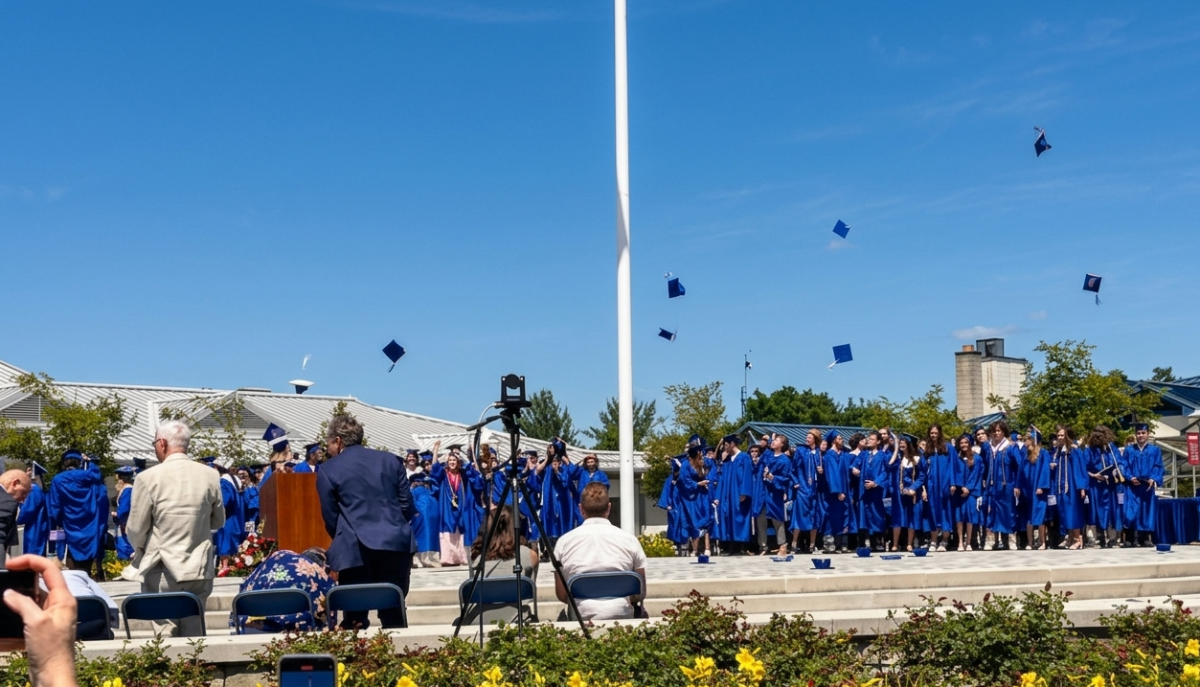

WOODBURY- As high school seniors stand on the long await of graduation, they are no longer walking a single, shared path, but rather stepping onto a vast, branching road that leads in many different directions.
The end of senior year marks a profound transition from the structured, uniform environment of K-12 education to a personalized future, where some students immediately immerse themselves in four-year university studies, while others pursue technical trade schools, enter the workforce directly, or choose military service.
While the pressure to follow a traditional route remains, today’s graduates are increasingly exploring gap years for self-discovery or more time to think on their future career.
Bridging the Gap: Making the year off count
Taking a gap year after high school is an intentional, structured break designed for personal growth, skill development, and self-discovery before pursuing higher education or employment.
By traveling, volunteering, or working, students often avoid burnout, gain independence, and clarify career goals.
“I’m not a very academic guy,” said senior Grant Wilmot, who is undecided, though considering entering the workforce in June or entering into a trade. “I think considering that this will be my first time off of school since I was 3 it’s just a big chapter in my life and see what could be out there for me.”
While many students find it transformative, it is not for everyone and requires intentional planning to ensure the time is productive. It is important to weigh the potential financial costs against the benefits of gaining life experience.
According to the Education Data Initiative, “since the beginning of 2024, national student loan debt increased 2.97%. During that same period, the total private student loan debt increased by 7.06%. And since the beginning of 2024, the total federal student loan debt decreased by 2.58% and average federal student loan debt decreased 3.30%. For-profit students borrow an average $40,970.”
College bound: Setting yourself up for success
For many high school graduates, immediately pursuing a college education is a pivotal step towards securing long-term professional success and personal growth, acting as a direct pathway to higher-paying careers and increased job security.
Micah Maberry is one of many NHS seniors and on the path to head south to start at Mississippi State this fall.
“From the first day I could talk, I always loved animals. I liked going to the zoo, being outside watching birds, and drawing creatures,” said Michah Maberry, “I decided later on that I wanted to take care of these creatures and help them in any way I could.”
For many of this senior class they already know what they want to happen.
“Going to college was not only a great decision for my future, but also a way to better my education in general,” said Maberry,” I’ll later be able to pursue my dream as a veterinarian and possibly even become a zoologist.”
Transitioning to college is more than just an academic milestone: it is a profound opportunity for personal reinvention and intellectual growth.
By stepping outside their comfort zones, students not only gain specialized knowledge but also gain the resilience, independence, and critical thinking necessary to navigate an evolving world.
From Passion to Profession: Getting Into the Trades
Choosing to pursue a skilled trade after high school is a strategic, high-value career move, offering hands-on training for in-demand roles like welding, HVAC, or electrical work, for example.
These specialized paths lead to quicker employment, often within two years, while avoiding the heavy debt associated with traditional four-year degrees.
“I’ve been interested in HVAC for a while, so I knew college wasn’t the only path to success,” said Nasir Stevenson. “I chose a career that pays me to learn, rewards my hard work, and keeps the world running cool.”
The industry is growing, with thousands of job openings anticipated as workers retire and urban areas expand.
“[Our graduates should] stay open to all the opportunities that life presents. Staying flexible and being able to adjust to changes is important as life is unpredictable,” said Christopher Maclean guidance counselor chair. “Follow a path that makes you happy. Money is important, but you are likely to work for 40 plus years, so job enjoyment will be crucial to your day-to-day contentment. As you meet new people along the way, surround yourself with friends that are positive and supportive. Make decisions based on what is best for you and hold to your values.”


