

WOODBURY – Here are two types of students: The one who participates in at least one club, a society or program, takes as many APs as possible, goes to all school events, and maybe even takes part in sports if they’re feeling extra adventurous.
Then we have the student whose only interest is getting their work done, leaving, and allowing life beyond school to take priority.
But the question is, which is the “right” way to go about your high school career?
Are grades the only thing that matter or should all students strive to do more and be involved in their communities? How do these two extremes impact your life after high school?
The truth is – it doesn’t matter.
“On a scale from one to ten, I’d say I’m a 7 when it comes to involvement in the school community, ” says Gillian Fernandes, Nonnewaug High school’s class of 2026 salutatorian. “Though it sounds silly coming from me, not taking part in school activities doesn’t specifically mean you’re missing out. It all depends on what life path you’re trying to take.”
No one’s journey will be the same, and we all want different things out of life. While one option may be the most socially acceptable to do, it doesn’t mean it’s the right thing to do for everyone. However, this doesn’t mean that being part of your school community is entirely fruitless.
“My involvement has brought up my tolerance for [distractability] and how I deal with certain situations. I can better ignore distractions and focus on what I need to do”, said Rachel Evon, a Nonnewaug Highschool student part of National Honor Society. “I definitely found a lot of my friends with my involvement in school, especially in the drama club. I’m after school at least two times a week for clubs like aquaculture CDE (Career Development Event) or class council where I’m actually making a good impact on my community.”
Evon’s and Fernandes’ perspectives are few of many at Nonnewaug.
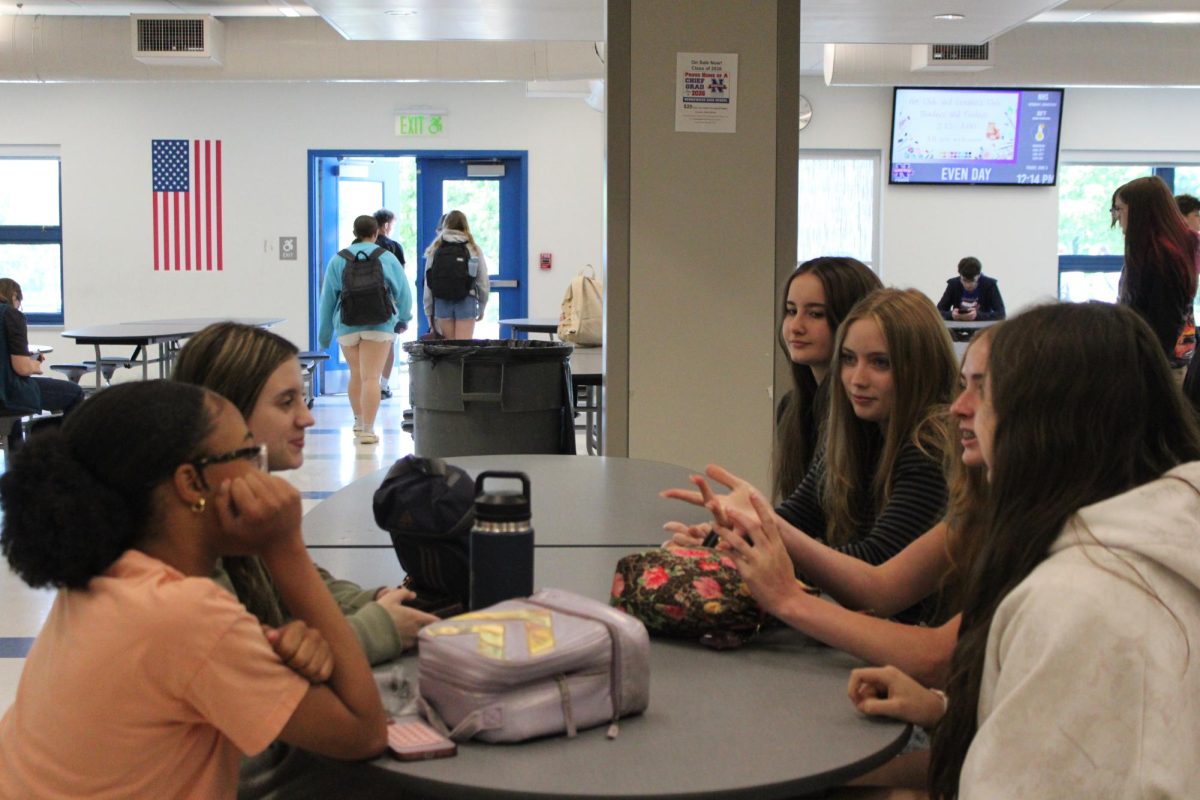
“Taking part in activities is important for social development”, says Erynne Pinette, a junior at NHS. “People who take part in school things tend to have a wider range of friends, but from what I’ve seen, they’re temporary…I don’t really think I’m missing out on anything.”
Pinette’s viewpoint isn’t bizarre.
It’s considered a right of passage to lose the camaraderie you build in high school due to shifting viewpoints and responsibilities. Here, school activities are mostly what brings groups together, so you tend to lose them in the absence of those activities. This comes off as a little shallow and presents this sense of community as lacking substance.
“Unless there’s a personal benefit or something I can gain from joining an event, I tend to lose ambition,” Pinette continues. “There’s two sides to this coin – people who are frequent in their dedication to school don’t keep their motivation forever either.”
Coinciding with Pinette’s point, while being proactive in your formative years has its advantages, it may do the opposite in the long run. When you invest so much time, emotion, and energy into this phase of your life, your light tends to extinguish later on. When you leave high school, you lose structure and a lot of your routines, many of which are difficult to replicate in college, whether you’re local or out of state.
High school is what you make it – and it’s not a linear journey. Your sense of fulfillment, as well as how you conduct yourself, shouldn’t be in proportion to what’s popular or what looks ‘good’ to others.
This is an opinion piece written by NHS Chief Advocate reports Kaylie Haughton ’26 and Omichi Jones ’26.