


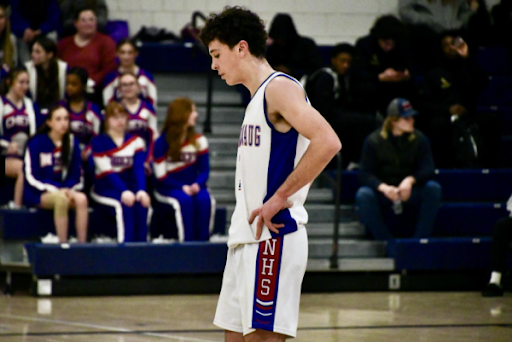

Everyone goes through moments of pressure and stress. Especially athletes. No matter the level of competition, whether it’s high school, collegiate, or professional, there’s always stress that comes along with the competition.
If you don’t believe it, take it from the best. United States gymnast Simone Biles, a seven time Olympic Gold Medalist suffered from the pressure of the world just a few years ago.
During the 2020 Tokyo Olympics, Biles withdrew from the finals of her events, as well as the team final. Her reasoning? To support her own mental health and well-being while citing the immense pressure and stress that the Olympics had enforced.
But beside just pressure and stress, academics also have a direct effect on athletic performance.
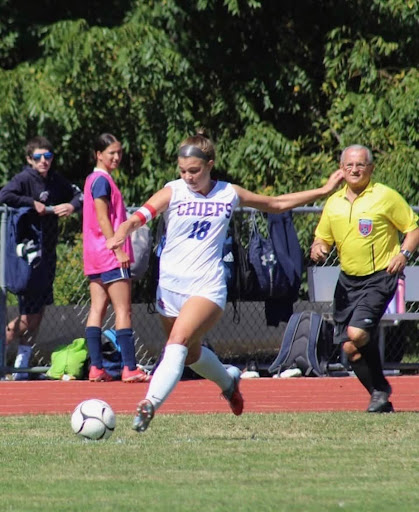
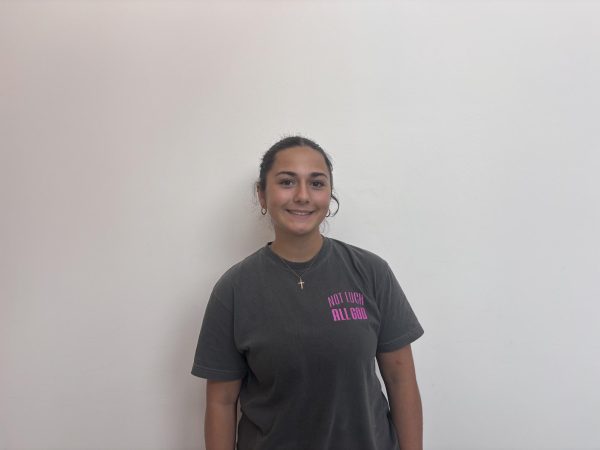
Nonnewaug senior and three sport athlete, Ella Quinn, can attest to these circumstances. “High academic stress has definitely made it hard to balance my time between studying and training,” says Quinn who plays for a prestigious soccer club, Olé FC.
Similarly, Juliette Nichols, a two sport athlete for Ave Maria University, who competes at the DIII NAIA level mentions how a jump from high school to college athletics could add stress.
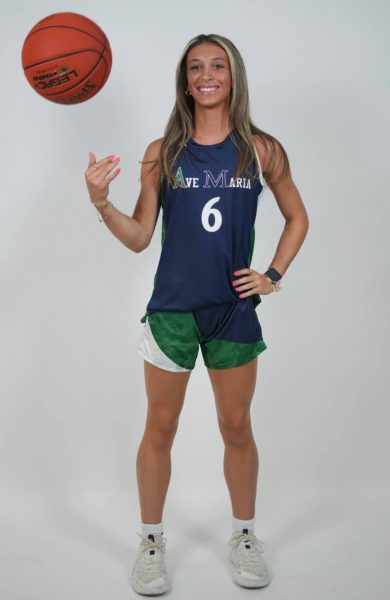
“Multiple times a day I have to go back to the field house,” says Nichols. “For practice, for film, for lifts, and it eats up time that could be spent studying, so it really makes me focus on planning every day so I can get everything done that I need to.”
Coaches notice these academic pressures as well as time management issues and emphasize the importance of maintaining balance.
Deborah Flaherty, the Nonnewaug boys cross country, as well as indoor and outdoor track and field coach says.
“Athletes also need to, they need to find the balance,” says Flaherty. “They need to balance their acade
mics and their athletics. They need to communicate. They need to prioritize, they need to check their schedules.”
Another struggle that many student-athletes face is the fact that they are sometimes unable to take a step back from sports due to academics.
“Stepping back from sports has never really felt like an option for me, but I have definitely had to reset my mentality when it came to sports,” Quinn adds.
Besides all the stress, there are so many ways to deal with academic stress to prepare yourself for your sport.
Nichols says, “Talking it out with others is so super important to me. Also, I usually go to the chapel or take a walk without my phone before a game or practice to help center myself and focus on one goal at a time to minimize feeling overwhelmed.”
Coaches also have a lot of tips on how to balance your time from school work to athletics.
“Communication with the coaches and the teachers is the most important, because we want nothing but for them to succeed in both areas,” Flaherty says.
![Nonnewaug junior Max Sorcher [left] gifts Alex Pereira a Danbury Hat Tricks jersey. Pereira will be fighting Cyril Gane in the white house on June 14th.](https://nhschiefadvocate.org/wp-content/uploads/2026/06/IMG_8418-1200x900.jpeg)


