


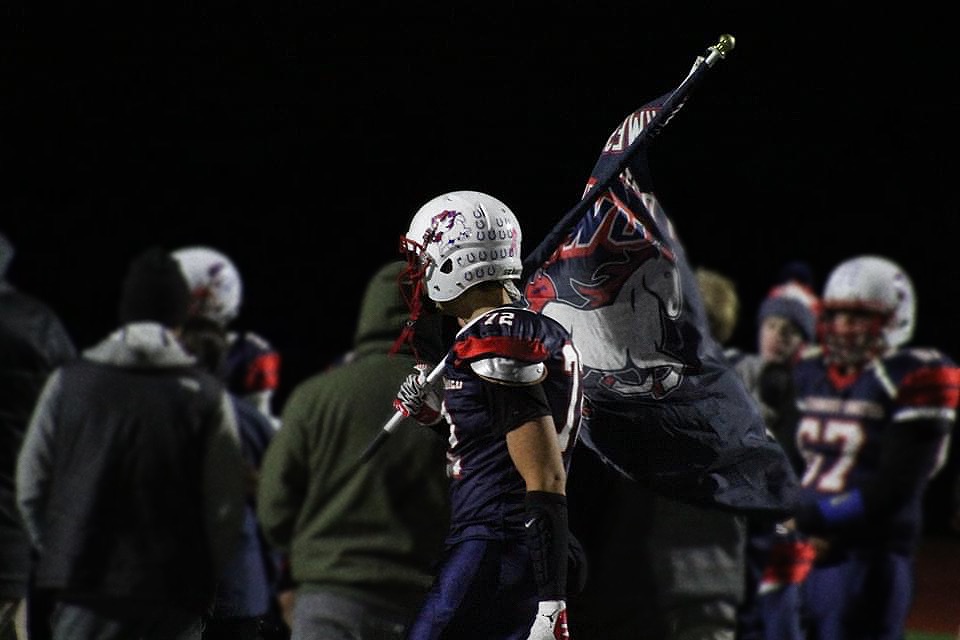
WOODBURY – One common opponent that athletes always face is mental health, athletes constantly have to deal with commitments they’ve made and constantly have pressure placed on them.
“With how popular athletics have become, it is so common for fans to forget that the athletes and teams they root for and oftentimes bet on are teams of essentially kids,” says Charles Rickenbach, former football player for the Nonnewaug Chiefs and Northwest United football programs. “I was once told a fan had $5,000 riding on us winning that game, I was 19 years old and couldn’t even get into a bar.”
Student athletes each day leave home early in the morning, spend a majority of their day at school, then head to practice, and then finally come home late just to do it all over again the next day.
The cost of all this: an athlete’s mental health.
“An athlete being away from home all the time definitely causes issues, both physically and mentally,” says Jocelyn McDougall, sophomore at NHS who plays soccer year-round. “Athletes that are rarely ever home are going to lack rest they need, affect eating habits and hydration may start to affect overall performance. I feel like not being home can affect the relationship with my family, because we aren’t as close due to the lack of bonding/spending time together.”
When the off season hits, student athletes still don’t get a break, athletes in the off season still go to training for their sport every day.
Some student athletes may also do two or more sports, when athletes do a winter sport and a fall sport they might have training for an additional sport related commitment right after their original practice.
“An athlete is expected to devote their life to their sport,” says Rickenbach. “This means the grueling season has an enormous impact, but the second the season ends the off-season workouts and development begin, especially in football the spring and summer season is arguably more competitive.”
Because athletes have busy lives they don’t really have much time to worry about themselves.
“Everyday becomes gameday where an athlete can win and lose their position on the depth chart at any point,” said Rickenbach. “This paired with the lack of summer break due to team workouts ultimately leads to one being more familiar with their team and coaches than with their own family.”
Athletes are also typically brought up with the stigma of being strong and not opening up about their struggles; according to the National Library of Medicine “the general public and particularly athletes (who often exist in a problematic culture of toughness) frequently have low rates of mental health literacy. This makes it difficult for athletes to reach out for help or even to be able to label their experiences as mental health symptoms when appropriate.”
Mental Health Literacy is the knowledge, beliefs, and skills regarding mental health disorders that support recognition, management, or prevention.
“Within the demanding world of athletics, an athlete is expected to be fully bought in not only physically, but mentally and emotionally as well,” said Rickenbach. Rickenbach plans to graduate from University of New Haven with plans to finish his football eligibility elsewhere next season. “With this level of commitment, so much of an athlete’s day-to-day life becomes dictated by his or her performance: how they played, how they practiced, and ultimately how they are valued by their program. Wins, losses, playing time, and coach feedback can quickly begin to define an athlete’s sense of self-worth, especially within these highly competitive environments. By being informed and aware of their own mental health and ways to improve and strengthen it, an athlete is prepared to continue to grow and perform at the level they are expected to.”
Coaches also need to be educated about mental health also to be able to help their athletes.
“You the athlete see us coaches regularly (rule 1 attendance is mandatory) and in high-pressure situations,” says Scott Lynch, head football coach for the Chiefs co-op who recently joined the Naugatuck Valley League for the 2026 season. “If coaches recognize any type of warning signs like removing yourself from participation, sudden drops in performance, anger or aggressiveness, or loss of motivation we can work to help early or find the athlete proper support before issues escalate.”
When coaches build a sort of community out of their sport where people can turn to players they tend to feel more seen in their sport.
“We look to build trust and have strong relationships off of the field as well, says Lynch. “When we can make our program feel seen as whole people instead of just players, we believe the players are more likely to communicate honestly, accept feedback, and stay committed and believe in the process. Trust creates a healthier team culture and reduces.”

When athletes don’t take control of their mental health, or don’t have people around them to turn to, they can end up harming themselves.
Some notable athletes who have taken their own lives are: Junior Seau, Aaron Hernandez, Grayson Murray, Robert Enke, Rick Rypien, Rick Berry, and just recently Marshawn Kneeland a football player for the Dallas Cowboys who took his own life after scoring his first NFL touchdown back in November.
An athlete’s mental health can not just put them in danger but also others. An example of this is Aaron Hernandez, a young tight end who played for the Patriots from Bristol, CT. Hernandez’ CTE sprouted from playing the sport and not having people to understand him or reach out to.
“The public should be very well informed on mental health literacy for understanding how these pressures can affect these kids, and be capable of supporting them if they are reached out to,” says Rickenbach
Fortunately, modern athletes do have resources that can help with the pressure of performing amid the modern athletic word–and the spotlight that comes with it.
Michael Phelps, Simone Biles, Naomi Osaka, Kevin Love, Robin Lehner, Jarren Durran, and AJ Brown are examples of athletes who broke the stigma by reaching out to others to save their lives.
“Athletes should absolutely reach out to others about their mental health issues, ” says Rickenbach. “It is imperative that an athlete remembers they have support nets outside the athletic world. When one is caught up in that world it is hard to keep in mind that in the grand scheme of it all, these athletics are such a small portion of our lives, which is very hard to understand without that support outside of ourselves.”
For athletes like NHS alumni Charles Rickenbach, an athlete should never lose track of something that’s even larger than sports: their mental wellness. So if an athlete at any level of their sport is having problems with their mental health, it is crucial that they reach out to not only protect themselves but also others.
“As my mother has told me many times,” said Rickenback, “‘a championship should never outweigh our long-term wellbeing.’”

![Nonnewaug junior Max Sorcher [left] gifts Alex Pereira a Danbury Hat Tricks jersey. Pereira will be fighting Cyril Gane in the white house on June 14th.](https://nhschiefadvocate.org/wp-content/uploads/2026/06/IMG_8418-1200x900.jpeg)


