WOODBURY–Club sports are competitive and prestigious, with over 60 million kids participating in the US alone. For many, club sports offer opportunities for young athletes to develop their skills and gain an advantage.
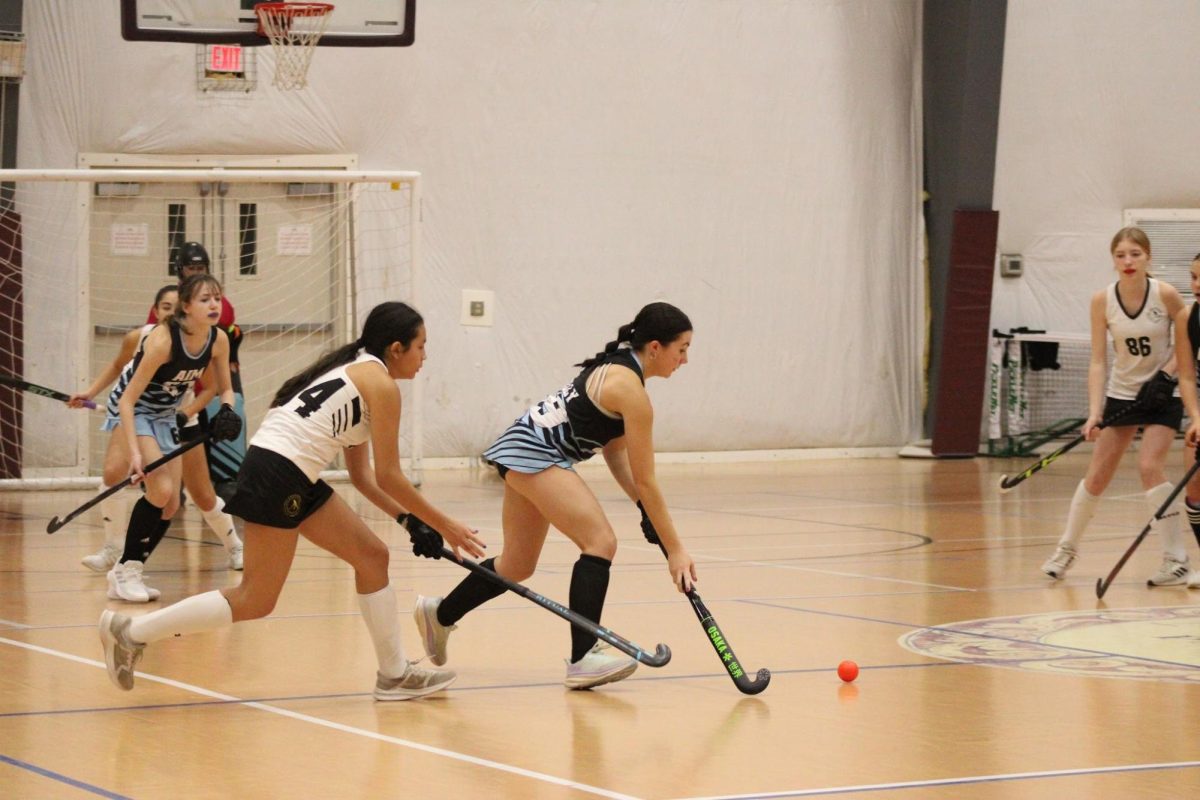
Charlotte Toon, a freshman at Nonnewaug, and player for the hockey team Mid Fairfield Stars, feels playing on a club team has positive effects on her skills.
“They focus more on developing kids technically, which has a significant impact on how I play,” Toon says.
Freshman Noah Elsmore, a basketball player for AAU Hall Elite, agrees.
“Playing a club sport allows me to get more reps in and helps me develop my skills to get ready for upcoming seasons,” Elsmore says.
However, there are significant downsides.
“They are very time consuming–have practice 4 times a week, which takes away from the time I have for homework and studying,” Toon says. “The coaches are also extremely hard on you, which is really difficult to keep up with both physically and mentally.”
Club sports are a big commitment, requiring a considerable amount of effort and practice. In the end, though, these efforts can pay off through college recruitment.
“Club sports tend to offer more opportunities, where those kids are exposed to more college coaches whether it’s ID camps, tournaments, or meets for runners and swimmers,” says Kathy Green, college and career advisor at NHS.
Club sports give athletes a chance to compete at a higher level: the same place college coaches look at for recruitment. In fact, 90% of student-athletes who compete in college-level sports have previously played in a club sport.

Ella Quinn, a senior at Nonnewaug and player for Connecticut Football Club, has experienced the process of recruitment, and will be playing soccer at Haverford College next year.
“Club sports definitely helped me with college recruitment, they allowed me to get more experience in soccer and reach out to more coaches,” Quinn says.
Quinn started off her college recruitment process, reaching our to coaches during her freshman and sophomore year.
Quinn, too, recognizes the limitations of playing at such a high level.
“You have to work really hard to keep up with the intensity in practice and games,” Quinn says. “The culture of some club teams can also be kind of unwelcoming to new players.”
Not only does it come with a mental and physical price, it comes with an actual one too.
“Club sports can be really expensive at times, you have to pay to stay in hotels, take flights and travel to tournaments,” Toon says.
Those willing to dedicate their time, effort, and money to club sports will often gain valuable experience and growth as an athlete.
Still, the question remains: is the high price of club sports worth the rewards they offer?