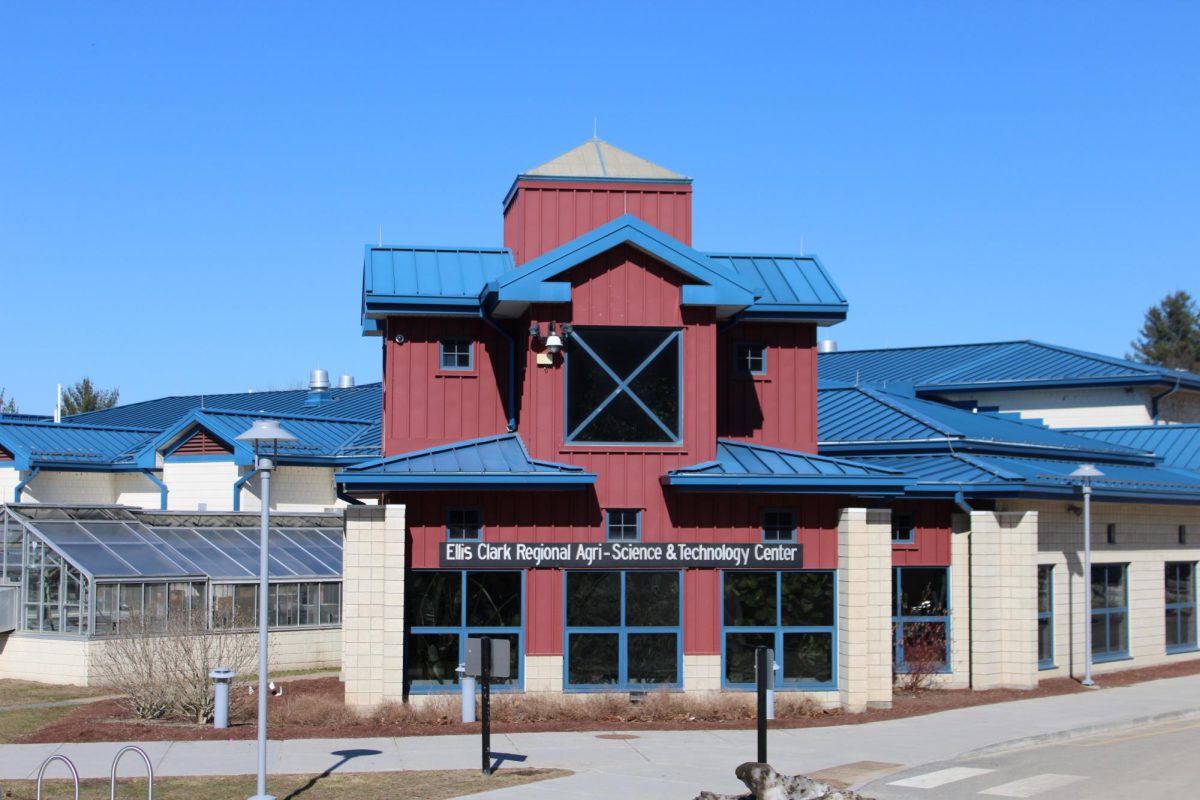
WOODBURY- Nonnewaug High School is widely recognized for its Ellis Clark Agriscience program. Students from towns all around Connecticut come to NHS for its offerings: plants, animals, woodworking, and more.
For many students, Ag is a part of their daily routine. They work with animals, learn about plants, and create new projects. But for many regular ed students, the agriculture wing is a whole new world to them.
Most regular NHS students don’t have interactions with the Ag building, giving themselves no chance to see what it’s like and instead have to assume.
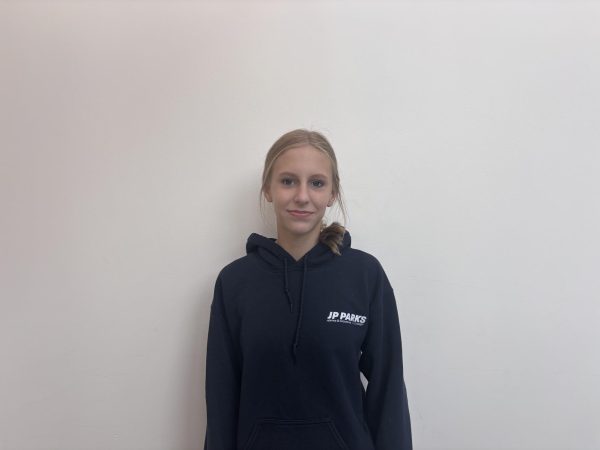
“I honestly have no idea what they learn in Ag or what goes on there,” says freshman Taylor Carella. “It would be nice to stay informed and actually understand a bit about what they do, or even just going down there once in a while to see what’s going on.”
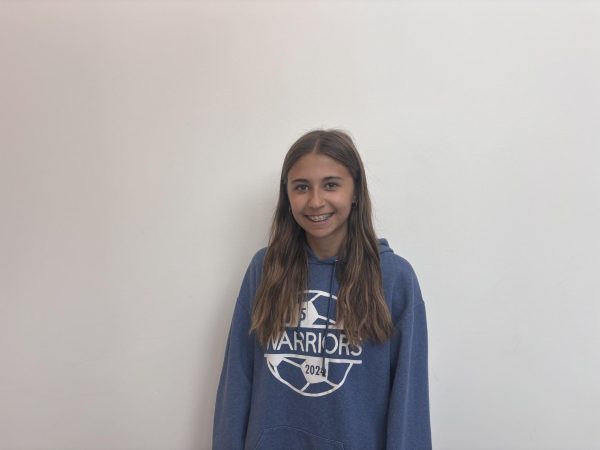
“I feel like regular students don’t really recognize Ag as actually being a part of Nonnewaug,” freshman and agriculture student Reese Longoria says. “For making up half of Nonnewaug, you’d think people would know more about Ag, but they don’t.”
Longoria also notes that there is a significant gap between the two groups of students. Ag students spend much more time in a different building than the other students, and have varying interests as well as other factors, which limits interaction.
“Most Ag students come from different backgrounds and school districts so thinking about that, it gives good reason as to why the students are so separated,” says Longoria.
For many Agriscience students, they spend a lot of their time in Ag-related classes without regular students. By junior year, their schedule is required to have at least 25% Ag classes.
“Again, at minimum, that’s two class periods in a 1-8 day, FFA meetings twice a month, and SAE class once a week,” says NHS Agriscience teacher Jesse Hungerford. “These scheduling expectations are the major difference in an agriscience student’s daily schedule, separating them from non-agriscience students.
“[During junior and senior year,] students spend so much more time in Ag classes,” Longoria agrees, “So there is much less time that students get to mix together.”
Hungerford also notes how Ag kids and regular students have less time to interact. Because of this, perceptions on agriscence students cause an even wider gap between the two groups.
“I would like non-agriscience students to know that we don’t smell bad. In fact, the smell of animal manure and coolant, or a combination thereof, won’t hurt you,” says Hungerford. “Prolonged exposure results in nose blindness, which means it wouldn’t be a problem for you anymore!”
Hungerford also believes that regular students should acknowledge the dedication and significant amount of work Ag students invest in their programs.
“We don’t just pet kittens and horses all day. We have a rigorous curriculum that applies science, math, and ELA into real-world settings, and we are preparing students to go out to work,” says Hungerford. “Although we get cool perks like having kittens in the classroom and getting to spend some class periods outside taking care of the landscapes, our students work hard both physically and mentally.”
This distance between Nonnewaug’s students is quite prevalent in everyday activities. In the cafeteria during lunch, the groups are still split at the tables. All Ag classes go to one lunch wave. The students remain split, limiting any collaboration and even minimal interaction between the groups, and in Hungerford’s opinion, it should be improved.
“While I believe our school climate is thriving overall, I am a firm believer in that there is always room for improvement,” says Hungerford. “I believe that student clubs and class councils can host opportunities that interest all students. As a class advisor, I hope to offer original ideas to the council that gets everyone collaborating together in a meaningful way that continues to make our school the best it can be.”